
Learn by doing…
Skopos collaborates with community development organizations to deliver tailored educational workshops on small business finance topics. We also provide “office hours” as a sounding board for member businesses to ask specific questions and obtain meaningful advice relevant resources at the moment they need it.
Our team is comprised of professionals with direct experience in, and a passion for, developing communities and empowering small business to grow. We’re driven to help build inclusive economies and contribute to business as a force for good.
We believe in the power of small businesses to transform communities into thriving places to live, work and play. Access to experienced resources, focus on financial health and exercising business prudence are key to small business success. (A long‐term lease certainly helps, too.)
To help business owners navigate the possibilities, prioritize their decisions and communicate their plans to all stakeholders, Skopos has developed targeted educational programs aimed at boosting financial and business acumen. Our programs are technical, practical and creative, and taught by practitioners with years of relevant business experience in their field.

Small Business Finance Essentials
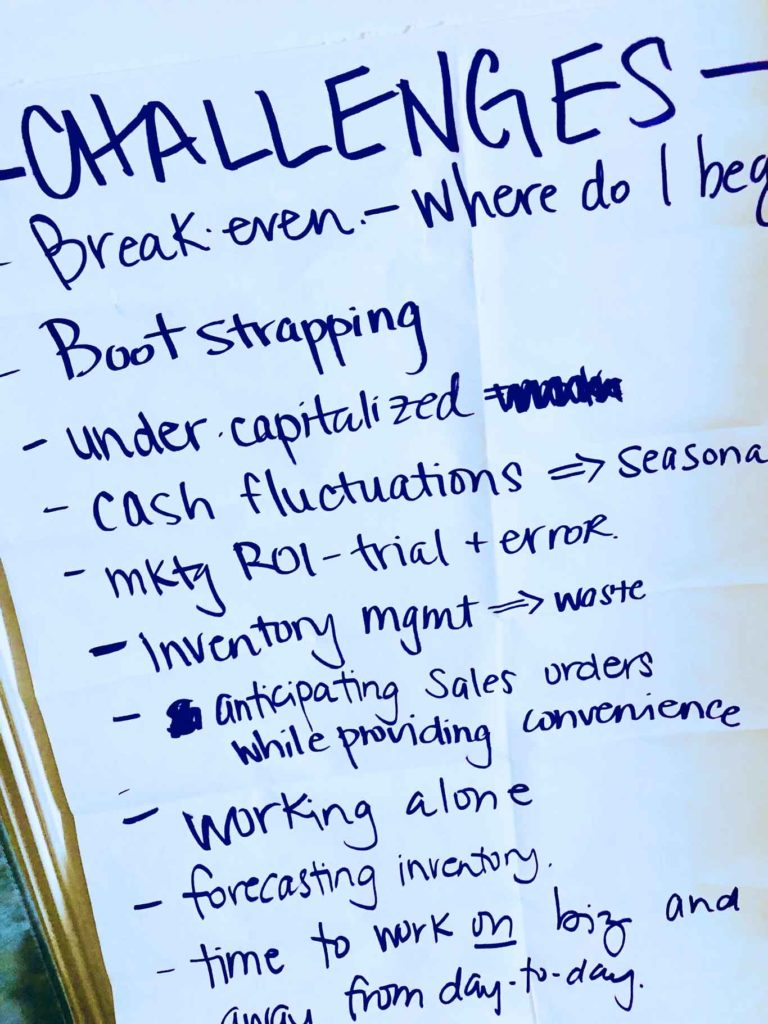
Ask a business owner how s/he feels about managing their business finances and you’ll get colorful responses that point in the direction of general disdain and discomfort on the emotional spectrum like:
“I feel like I’m flying in the wind.”
“Finance blows.”
“I dislike data and dealing with accountants.”
“It’s not self‐explanatory.”
“What financial system?”
“I have no clue where to begin.”
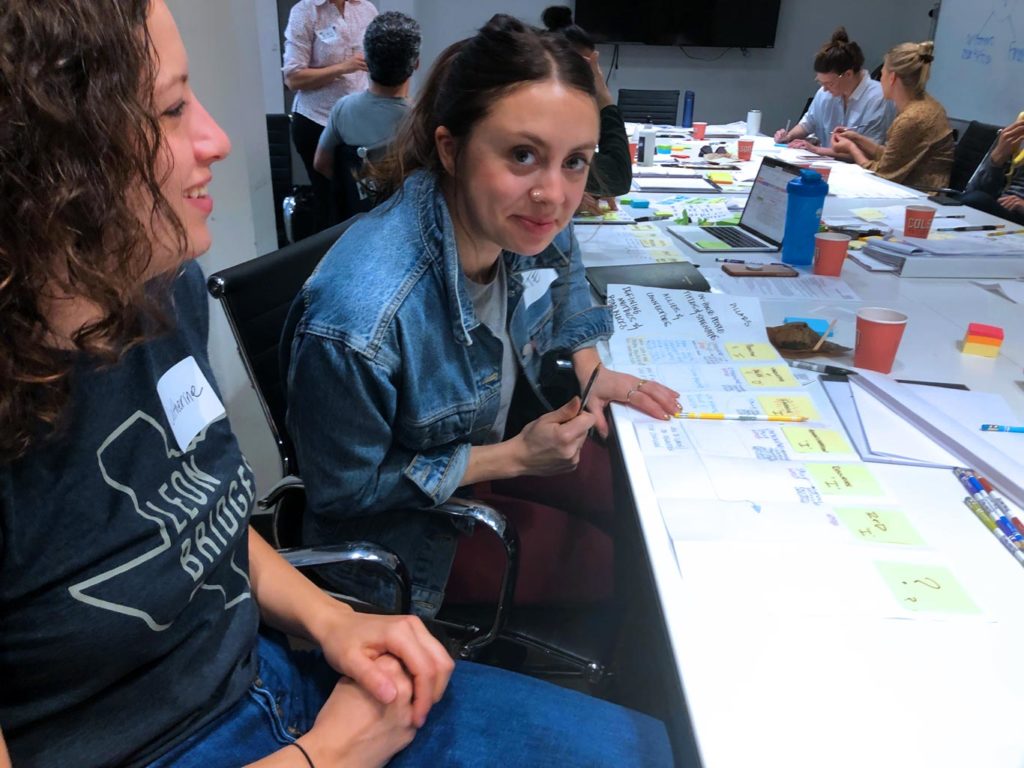
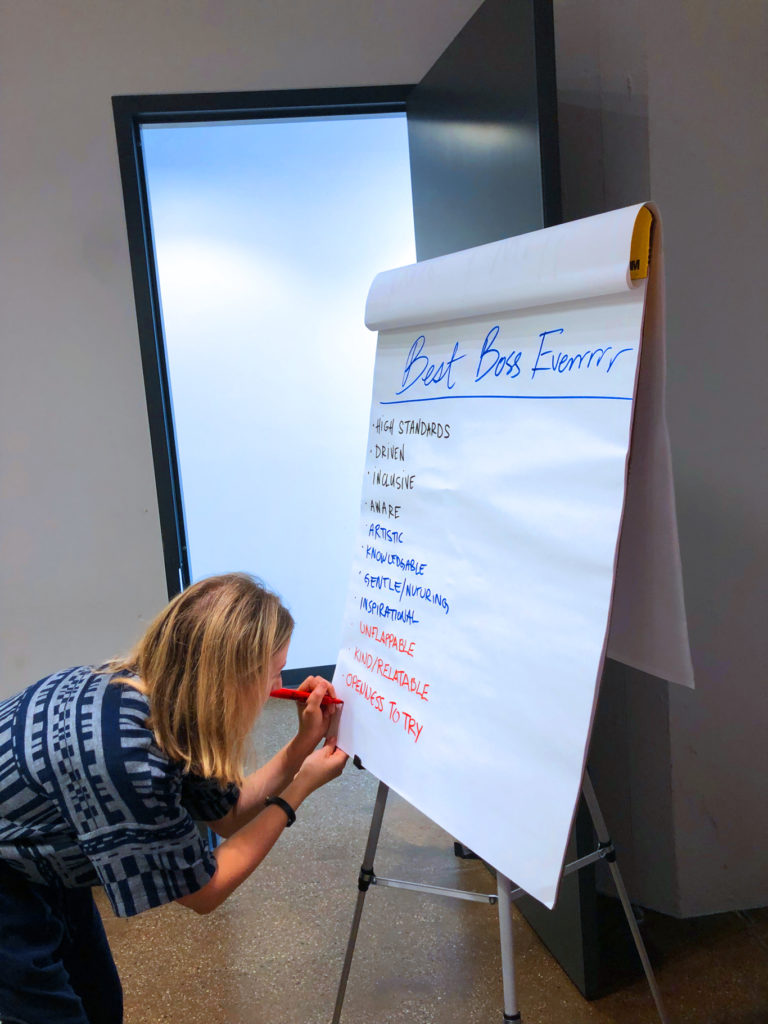
In our experience, we have learned that business owners don’t like numbers and accounting because they just don’t understand it. We set out on a mission to educate business owners on financial matters with relatable hands-on learning. We found that, when empowered with different learning tools among their peers in a learning setting where they can feel vulnerable and unjudged, business owners walked away feeling empowered and driven to take action. Some of the feedback we’ve received:
“Skopos taught me that I can do this!”
“A must take course to get your sh*t together!”
“I feel more in control with a roadmap to reach my goal.”
“Highly informative, delivered by patient and knowledgeable instructors.”
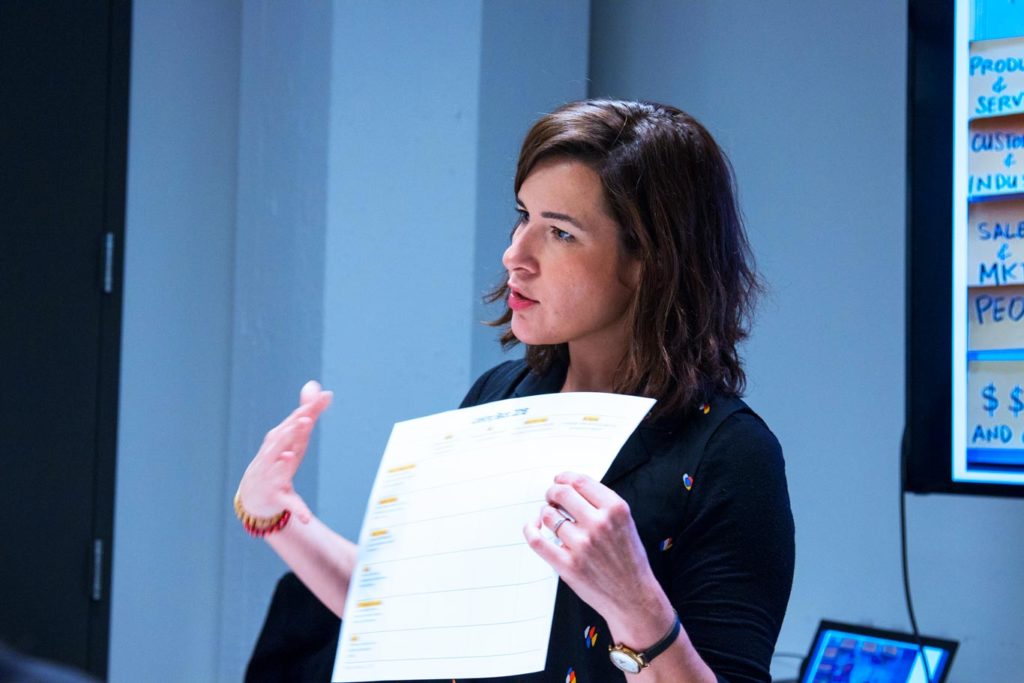
Small Business Finance Essentials is a series of workshops created with the business owner in mind. A highlight of this curriculum is that participants “learn by doing.” In each three‐hour workshop, business owners gain familiarity with the key financial statements and terms. They are challenged to think about how to evaluate the profitability of their business using dashboard metrics. Case studies allow participants to apply business theories and metrics we review. Upon completion, Quickbooks reports are much more approachable.
The series consists of four base classes plus a variety of add‐ons below. The classes can also be customized to suit a specific industry or business type (for an extra fee).
Required modules:
1. Financial Lingo
2. Financial Analysis
3. Cash Flow
4. Projections
A la carte sessions:
Working Capital and Cash Conversion Cycle‐ Access to Capital‐ Break‐Even Analysis- Segmenting your Customers- Be Your Own Bookkeeper (BYOB)
Testimonials:
“These classes surpassed my expectations. I have a much firmer grasp on accounting concepts, and thespreadsheet template they provided is going to be absolutely priceless to me.”
Corey Menscher, Perceptive Things
“Your classes and your dashboard were really truly illuminating! More than anything it’s taught methat I can do this, I can begin to understand my business and numbers better!”
Corrin Arasa, Patina
“Elli presented confusing financial language in a format that was easy for non‐financial types tounderstand. The case studies helped with making the learning real as it applies to my food business.”
Caroll Lee, Provenance Meals
Our Approach
As a small business owner, you wear many hats. According to studies, business owners generally like the financial hat they wear the least. We think it’s either because folks just don’t understand what their financials are saying, or there is no financial system in place.
Want to know what your gross margin is? Want to know how many new customers you had last year that contributed to your growth? Want to know what the sales goals of a new salesperson should be? Want to know if you can open that second location, or afford that loan? Want to know what the break-even point would be on that new product you’re launching? We can help.
While each client project is tailored to meet you where you are, there are a few steps we follow to initiate our projects:
Understand and Educate
You started your business for a reason, and we want to understand your “why?” and “what” and your “who.” Why are you in business in the first place? What are your passions and interests that brought you into business in the first place? What is your vision? What is your business model? What do you like about it, and not like about it? What do you want to do differently? Who is on your team? Want to hear the good, bad and ugly (maybe :).
Now that we understand your reason for being in business, we take a look under the technical hood: your financial system. We call this The Discovery process. We get to know how your financial system is organized and evaluate the profitability of your business. If you come from a place with zero financial background, no problem! We break concepts down so you can understand how it all relates to your business and walk away feeling a little more fluent in the language of accounting and finance. The goal is inspire decision-making that considers your “Why?” but also makes data-driven sense.
Organize and Forecast
Armed with a few ideas of the work that needs to be done, it’s time to prioritize and plan. What are the top 3 goals and which one should be our focus? What are the baby steps required? What money is needed? What is the expected impact the changes will have on the business? What might your projections for next year look like with these changes? What other implications are there – financial or not – for the rest of the business? We design a plan that captures our implementation structure.
Implement and Reflect
Change and growth require constant improvement over the long-haul, so patience and persistence are key. The daily or weekly strides you make lead up to the change and growth you want. We find it helpful to reflect quarterly or bi-annually to review progress, celebrate milestones and evaluate if we’re on the right path or might need to change direction.